Only Chartered Physiotherapists can be State Registered, and Members of the Health Professions Council Supplementary to Medicine. We have 2 at our Clinc – Gary and Sarah.
By consulting a Chartered Physiotherapist you can be assured that they have been extensively trained to degree level and are bound by the rules and regulations of the Chartered Society of Physiotherapy.
A chartered physiotherapist will treat injury and disease by correcting and improving the body’s own mechanism, without the use of drugs or medication.
We as Chartered Physiotherapist uses a wide range of skills including manipulation, acupuncture, mobilisation, massage and exercise, often aided by the use of electronic equipment – all designed to help in relieving pain, restoring function and promote healing.
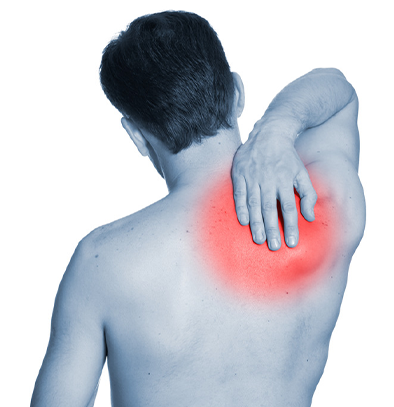
Any complaint involving pain or reduced mobility caused by a physical problem. This could include: Back and Neck Pain, Nerve Pain, Sprains and Strains, All Sports Injuries, Joint and Muscular Problems, Headaches and Dizziness, Rehabilitation after Surgery. You do not have to have a major problem to seek treatment. Most problems are best treated early to prevent them becoming chronic.
No. Whilst physiotherapists do maintain a strong link with the Health Service, it is not necessary for you to be referred by your GP. Physiotherapists in private practice have moved out of the NHS and are independent. However, We will refer you to NHS practitioners if we feels it would be beneficial to you.
During your first visit the physiotherapist will want to obtain a detailed account of your problem, a history of any past episodes you may have had and relevant facts about your general health. A physical assessment will then be undertaken to determine a clinical diagnosis and also the best combination of treatment modalities to use. All treatments offered will be fully explained including benefits and risks. The selected treatment plan will be discussed with you, including an estimate of the length of treatment required and the expected outcome. You will be encouraged to ask questions and to become involved with the treatment plan. You will also be advised about its management and prevention of recurrence in the future.
The initial consultation lasts 45 minutes and will consist of a thorough assessment and a treatment if time allows.
Our aim is to alleviate your pain. Most physiotherapy treatments are relatively pain free. However, to obtain an accurate diagnosis, a thorough assessment can occasionally irritate existing symptoms. You may experience some soreness after your treatment.
It is important to wear comfortable clothing for your initial assessment to allow you to move freely to perform the movements the physiotherapist will need to observe. You may need to undress for parts of the assessment to enable the physiotherapist to see the area affected. For example, if you are coming with an ankle of knee problem it would be advisable to wear or bring shorts.
The physiotherapist treating you will discuss with you if they feel it is appropriate for you to see a specialist, they will talk to you and review the reasons for and potential benefits of a specialist opinion. You may be referred to a specialist for further investigation.
Usually, as Chartered Physiotherapists and registered with major healthcare insurers . Please check with your insurance company before starting treatment, since they may need to authorise treatment prior to its commencement.
All Chartered Physiotherapists have undergone extensive training and have completed the necessary academic and clinical examinations in order for them to practice. Their names will be suffixed by MCSP and will be members of the Health Professions Council (HPC), which proves that they are state registered.
All Chartered Physiotherapists with the appropriate postgraduate training are allowed to perform manipulations.
Manual Therapy involves hands on treatment aimed at improving movement of joints, muscles and nerves. Techniques include; mobilisation, manipulation, muscle energy techniques, stretching and massage.
As well as Manual Therapies, I use Acupuncture, Electrotherapy, Exercise programmes, Taping and Strapping.
Fine needles can be inserted to stimulate the brain to produce natural pain-relieving chemicals called endorphins. These promote a feeling of euphoria or well being to lift the mood, aid sleep and reduce pain without the need for drugs. If you do not like needles, or are not allowed to have acupuncture for medical reasons, laser acupuncture can be performed which can be equally as effective. Only pre-sterilised, sealed, disposable needles are used to prevent cross-infection and there is very rarely any bleeding at all.
Physiotherapists use electrotherapy to treat disorders relating to the muscles and/or bone. Some of the main electrotherapy methods are listed below: